

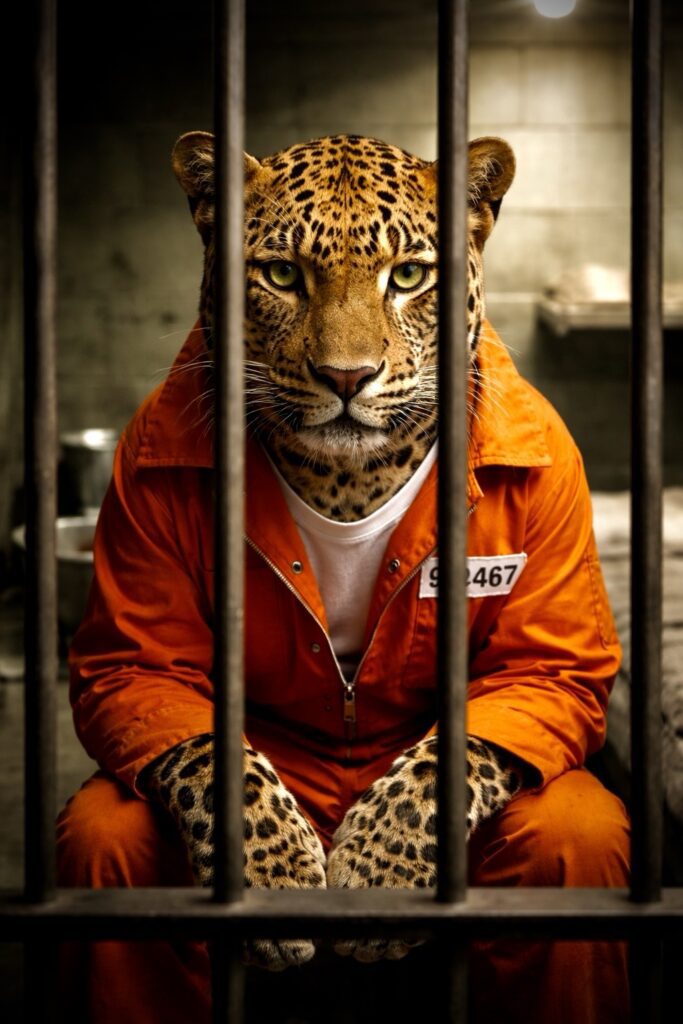
With criminals, I have found that the saying “a leopard can’t change its spots” is often spot on.
There are a lot of repeat offenders out there, especially when it comes to gun crime. I’m not just imagining things. The United States Sentencing Commission studied recidivism rates in federal defendants and found that gun offenders reoffended more often, faster, and longer in life than non-gun offenders.
You probably also tend to think that if someone did something before, they’re likely to do it again. It’s human nature to think that way (and why we have this clever saying about leopards).
But that’s not how our court system works. We don’t want juries convicting people based on “propensity” evidence. We insist that they be convicted for what they did this time, based on actual evidence of this crime, not supposition based on something they did in the past.
That’s why there are rules that limit the admissibility of “prior bad acts.” (In federal court, this is known as “404(b)” evidence, for the section of the rules of evidence that governs it.)
It’s not that such evidence can never be admitted. It can, but only for other purposes, like to show motive, intent, or knowledge. And it won’t be admitted if the risk of unfair prejudice outweighs its “probative” value.
That’s sorta what happened in this case in New Bedford, Mass.
Josiah Sweeney was 16 when he allegedly shot a pistol from the window of a car and struck another car. The victim in that other car called 911. ShotSpotter also detected the gunfire and alerted police.
Using the victim’s description and details from the ShotSpotter alert, police identified the car and Josiah in surveillance videos. They arrested him and seized his phone.
With a warrant, they searched his phone and found a video that showed a person who might have been him (the face was obscured) brandishing what appeared to be a gun. Prosecutors sought to introduce this video at trial, not to prove it as a separate crime but to show that Josiah had access to a firearm.
The court offered a “limiting instruction,” which tells the jury they can only consider the evidence for a limited purpose, i.e., not to prove guilt of the charged crime but for inferring motive, intent, knowledge, etc.
In this case the judge’s instruction wasn’t great. It read: “There was also a video of the defendant….” But it wasn’t clear that it was the defendant, so the judge essentially instructed the jury on a factual conclusion it should make. The instruction also didn’t include model language about not using it for “propensity.”
At any rate, it was enough to get Josiah a new trial. Yesterday, the Mass. Appeals Court vacated his conviction and remanded.
You can read the opinion here.