

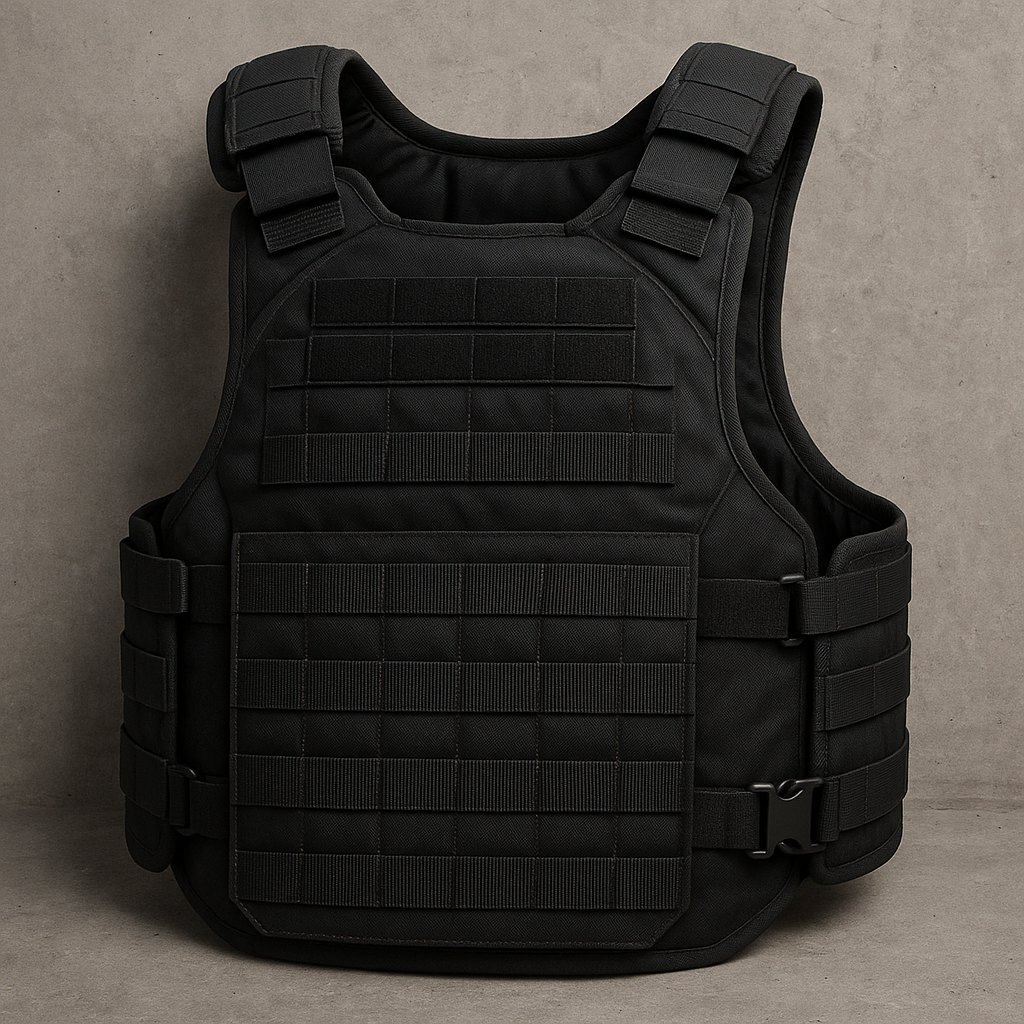
This article by The Associated Press originally said, “It’s illegal under federal law for a convicted felon to buy body armor.” [See the note below.] That’s not quite true.
Unlike the prohibition against possessing firearms, which categorically applies to (almost) all felons, the federal prohibition on possessing body armor only applies to “violent” felons. It says so right there in Title 18 U.S.C. Section 931.
When Congress passed the law, their aim was to try to protect heroes like Aaron Salter from the increased danger posed by criminals wearing body armor. They even named the law for two police officers gunned down by assailants wearing body armor – “The James Guelff and Chris McCurley Body Armor Act of 2002.”
San Francisco Police Department (SFPD) Officer James Guelff was killed by a carjacking suspect in 1994. Etowah County (Alabama) Sheriff’s Office Captain Peter Chris McCurley was shot and killed while serving a drug search warrant in 1997. That the Buffalo mass murder occurred during the middle of Police Week is one more reason to remember them for their sacrifice.
Besides keeping violent felons from being able to “purchase, own, or possess body armor,” the law did two other things.
First, it directed the United States Sentencing Commission to add a sentence enhancement when a criminal uses body armor during a crime of violence or a drug trafficking crime (even if he wasn’t prohibited from having it).
Second, it allowed federal law enforcement agencies to donate their body armor to State or local law enforcement agencies, so that more cops would have this basic protective equipment (at the time, about 1 in 4 cops didn’t have a vest).
Vests save police lives, and these days they need them more than ever.
NOTE: After I wrote a post about the AP’s mistake on LinkedIn, they updated the article to correct it. Happy to help.