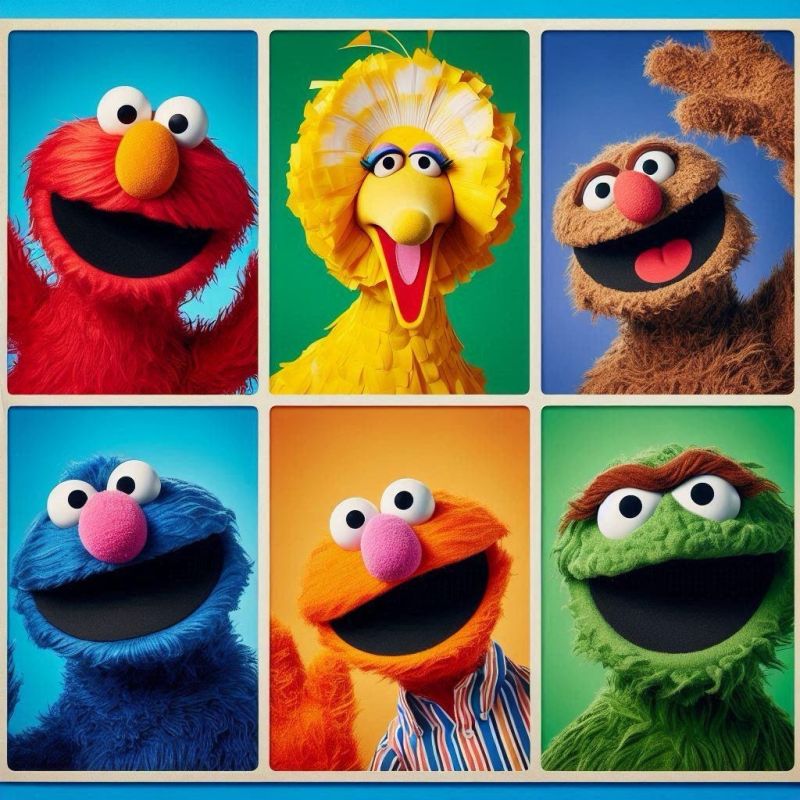
Police photo arrays aren’t supposed to be like Sesame Street, where “one of these things is not like the others” and there are clues to help you pick which one is different.
Instead, the array should be presented in a neutral way that does not suggest the answer. The witness being shown the array should only be able to identify a person depicted in the array if they recognize them, for instance as the perpetrator of a crime they witnessed.
To minimize the chance that the investigating detective may inadvertently give the witness any clues to which person is the suspect, some departments use an uninvolved officer to present the array to the witness.
That’s what happened in this case, but the defendant still thought the process was flawed.
Darryl Lyles stands accused of murder. He is a felon and his criminal history qualifies him as a habitual criminal under Illinois law. Nonetheless, at a party one night in Rockford, Lyles was armed with a handgun (allegedly). Witnesses say that when an argument broke out, Lyles shot and killed another man. ShotSpotter detected the gunfire and alerted police, who responded to investigate.
Lyles fled the scene and was not arrested that night but investigators put together a case against him. As part of their investigation, they showed a photo array to one witness. The procedure took place at the police station and was video recorded.
The array was presented by a detective who happened to be at the station. When he showed the photo lineup to the witness, he asked if she recognized anyone and she indicated Lyles. He asked how she recognized him and she said he’d grown up with her kids.
Okay, but anything else? Perhaps anything more recent than his childhood? Yes, the whole reason for the investigation. She saw him shooting at the party.
Lyles thought the detective’s follow up questions were improper and suggestive. He moved to suppress the witness identification and the trial court agreed. It believed the uninvolved detective “pressured” her. Nonsense. The subsequent questions were logical clarification.
The state filed an interlocutory appeal (an appeal of a specific matter that should be decided before the overall proceeding continues).
Yesterday the Appellate Court of Illinois, Fourth District, agreed with the state. The lineup was fine. The detective performed appropriately as an independent administrator of the lineup. It reversed the trial court’s suppression and her identification of Lyles comes in.


Instead, the array should be presented in a neutral way that does not suggest the answer. The witness being shown the array should only be able to identify a person depicted in the array if they recognize them, for instance as the perpetrator of a crime they witnessed.
To minimize the chance that the investigating detective may inadvertently give the witness any clues to which person is the suspect, some departments use an uninvolved officer to present the array to the witness.
That’s what happened in this case, but the defendant still thought the process was flawed.
Darryl Lyles stands accused of murder. He is a felon and his criminal history qualifies him as a habitual criminal under Illinois law. Nonetheless, at a party one night in Rockford, Lyles was armed with a handgun (allegedly). Witnesses say that when an argument broke out, Lyles shot and killed another man. ShotSpotter detected the gunfire and alerted police, who responded to investigate.
Lyles fled the scene and was not arrested that night but investigators put together a case against him. As part of their investigation, they showed a photo array to one witness. The procedure took place at the police station and was video recorded.
The array was presented by a detective who happened to be at the station. When he showed the photo lineup to the witness, he asked if she recognized anyone and she indicated Lyles. He asked how she recognized him and she said he’d grown up with her kids.
Okay, but anything else? Perhaps anything more recent than his childhood? Yes, the whole reason for the investigation. She saw him shooting at the party.
Lyles thought the detective’s follow up questions were improper and suggestive. He moved to suppress the witness identification and the trial court agreed. It believed the uninvolved detective “pressured” her. Nonsense. The subsequent questions were logical clarification.
The state filed an interlocutory appeal (an appeal of a specific matter that should be decided before the overall proceeding continues).
Yesterday the Appellate Court of Illinois, Fourth District, agreed with the state. The lineup was fine. The detective performed appropriately as an independent administrator of the lineup. It reversed the trial court’s suppression and her identification of Lyles comes in.
On to trial.
You can read the order here: https://lnkd.in/g5gVYmHR.